
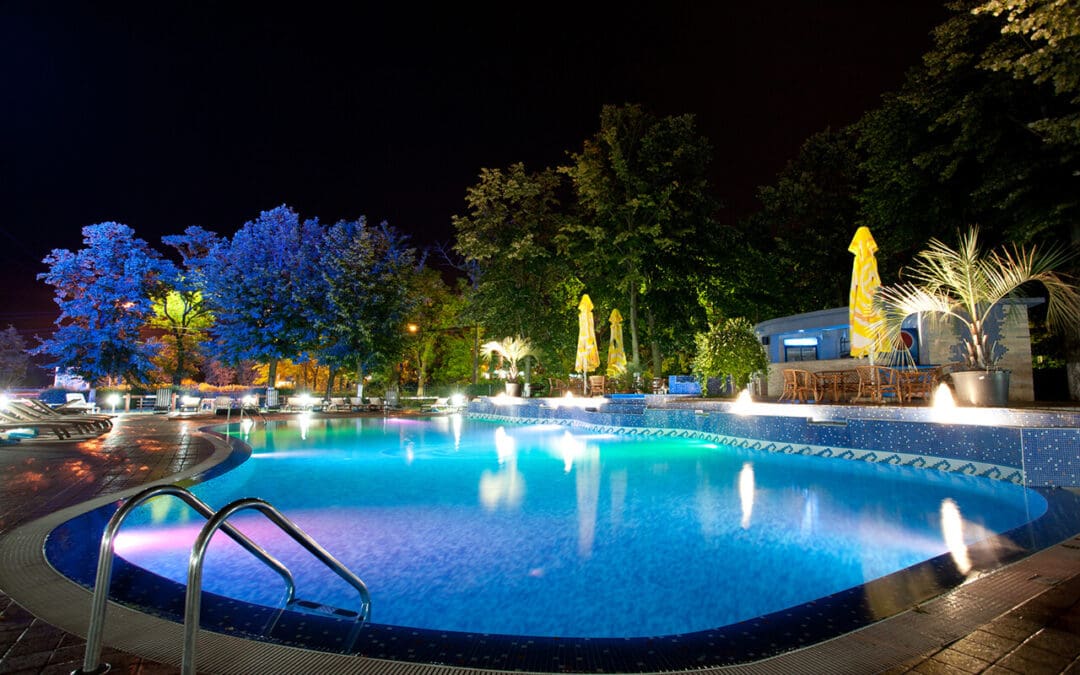
A pool is one of the best parts of living in the Tampa Bay area, and with warm weather most of the year, it gets used far more than pools in colder climates. That also means it needs attention year-round. Regular pool maintenance keeps the water clear and safe, protects the equipment, and stops small problems like cloudy water or algae from becoming expensive repairs. The routine isn’t complicated once you know what to check and how often. Here’s a simple plan you can follow week by week.
A Weekly Pool Maintenance Routine That Keeps Water Clear
Start with the basics that keep debris from piling up. Skim leaves and bugs off the surface every few days, and empty the skimmer and pump baskets weekly so water can flow freely. Brush the walls, steps, and corners to disrupt algae before it takes hold, and vacuum the floor to pick up what settles. Check the water level, which should sit about halfway up the skimmer opening, and top it off with a hose when needed. Most pools need the pump running about eight hours a day in warm weather so all of the water circulates and passes through the filter at least once daily. Consistency matters more than any single task, and a few minutes each visit prevents hours of cleanup later. Keep a simple log of readings and tasks so you can spot patterns, such as algae returning after storms.
Test and Balance the Water
Water chemistry is the heart of pool maintenance, and it’s the part most owners find confusing. Test at least once a week with a reliable test kit or strips, or take a sample to a pool supply store. Common targets are free chlorine between 1 and 3 parts per million, pH between 7.2 and 7.6, and total alkalinity between 80 and 120. Adjust one chemical at a time, let the pump circulate for several hours, and retest before adding anything else. Add chlorine in the evening, since sunlight burns it off quickly, and shock the pool after heavy use or a big storm. A stabilizer such as cyanuric acid helps chlorine last longer in strong sun, but too much can make it less effective, so keep it within the range on your test kit. Never mix chemicals, and store them in a cool, dry, ventilated place, kept apart from each other and away from children.
Pool Maintenance Tasks for the Filter, Pump, and Equipment
The filter and pump are the pool’s circulatory system, so keep them healthy. Cartridge filters should be rinsed or soaked when the pressure gauge climbs about 8 to 10 psi above its clean reading, and sand or DE filters need backwashing on a similar signal. Check the pump lid and O-rings for cracks, and listen for new grinding or squealing noises that signal a worn motor or bearing. Look for wet spots around fittings and heaters, and watch for unusually fast water loss, which can point to a leak. A simple bucket test can help you tell leaks from normal evaporation. Keep leaves and debris cleared from around the equipment pad so the motor can breathe. Consider a yearly service visit to catch wear before something fails.
Safety and Seasonal Care in Florida
Good pool maintenance also includes safety checks. Make sure fences, gates, and door alarms work, that gates self-close and latch, and that a life ring or reaching pole is within reach. Never leave children unsupervised near the water. Cooler months slow algae growth but don’t stop it, so keep testing and running the pump. If a freeze warning is issued, keep the pump running overnight to protect pipes and equipment. After heavy rain, remove debris, retest, and rebalance. Before a hurricane, keep the pool full, turn off power to the equipment, and secure loose items, since an empty pool can pop out of the ground.
Frequently Asked Questions (FAQs)
How often should I test my pool water?
At least once a week, and more often in hot weather, after heavy rain, or after a crowd of swimmers. Frequent testing lets you make small adjustments instead of big corrections.
How long should the pump run each day?
Many pools need about eight hours in warm weather so the water circulates fully. Variable-speed pumps often run longer at lower speeds, so ask a pool professional what’s right for your system.
Why is my pool water green or cloudy?
Usually it’s algae, poor filtration, or unbalanced chemistry. Brush the surfaces, clean the filter, balance the water, and shock the pool. If it persists, call a professional.
Do I need pool maintenance in the winter?
Yes, though less often. Keep testing the water, running the pump, and watching for freezing nights, because Florida winters can still bring cold snaps.
Should I hire a pool service?
It depends on your time and comfort level. A service handles chemistry and equipment checks, but many owners manage with a steady weekly routine.
House2Home Inspection Services provides home inspection services to customers in Hillsborough, Pasco, Pinellas, Manatee, Hernando, and Polk counties. Contact us to request an appointment.