
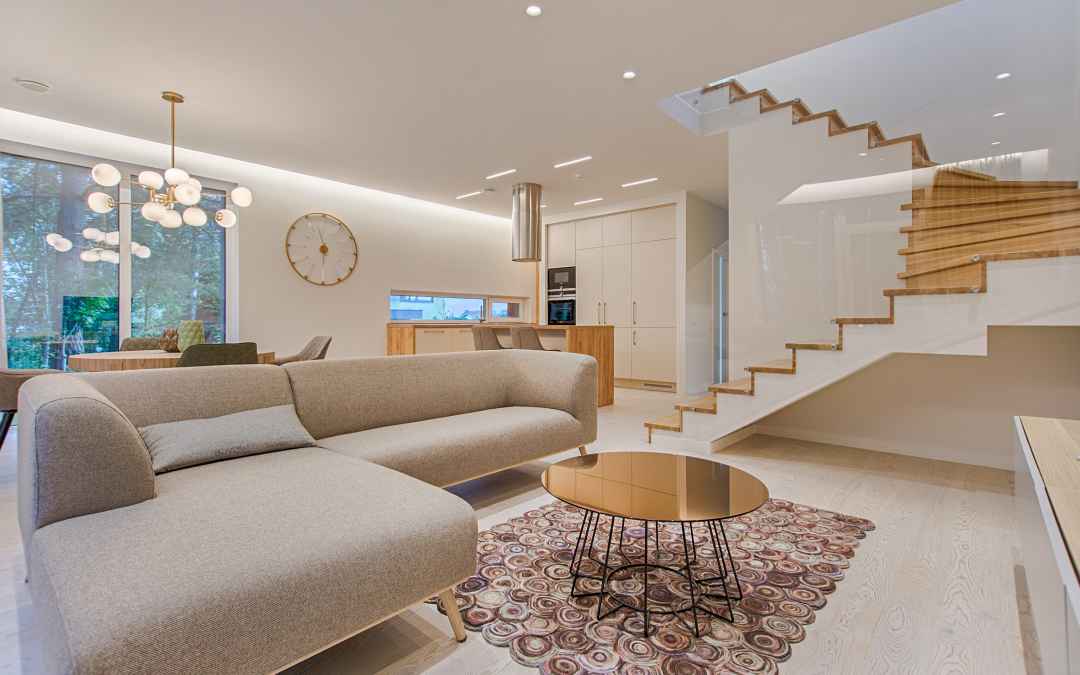
Interior design plays a major role in how a home looks, feels, and functions. Thoughtful interior design can make a small room feel spacious, improve comfort, and create an environment that reflects personal style. Many homeowners believe great design requires a large budget, but in reality, small changes often produce the biggest results. A well-designed home balances aesthetics with practicality. Furniture placement, color choices, lighting, and textures all influence how a space is experienced. When these elements work together, the home feels cohesive and welcoming. For homeowners looking to refresh their living spaces, a few simple interior design strategies can dramatically improve both style and functionality.
Start Interior Design with a Clear Vision
Every successful interior design project begins with a clear idea of the atmosphere the space should create. Some homeowners prefer a calm and minimal environment, while others enjoy vibrant colors and bold decorative elements. Before purchasing furniture or decor, it helps to consider how each room will be used. A living room designed for family gatherings may prioritize comfort and seating, while a home office should emphasize organization and focus. Collecting inspiration from magazines, online galleries, or showrooms can help define the overall style. Whether the preference leans toward modern, traditional, rustic, or contemporary design, establishing a direction ensures consistency throughout the home.
Tips for Choosing the Right Colors
Color is one of the most powerful tools in interior design. It sets the mood of a room and visually alters the perception of space. Lighter colors tend to make rooms feel larger and brighter, while darker shades add depth and warmth. Neutral palettes remain a popular choice because they provide flexibility when decorating. Walls in shades of white, beige, or soft gray allow furniture and decorative accents to stand out. Accent colors can be introduced through cushions, artwork, rugs, and decorative accessories. This approach allows homeowners to refresh a room’s appearance easily without repainting entire walls.
Furniture Placement Tips
Furniture arrangement is often overlooked, yet it has a significant impact on the flow of a room. Proper placement ensures that spaces feel comfortable rather than crowded. A common interior design principle is to create conversation areas. In living rooms, seating should face one another instead of being pushed against walls. This layout makes the space more inviting and functional. Scale is equally important. Oversized furniture in a small room could make the space feel cramped, while pieces that are too small may make the room appear unfinished. Choosing furniture that matches the proportions of the room keeps everything balanced.
Lighting and Interior Design Balance
Lighting is a key element that brings interior design to life. A well-lit room feels open, warm, and visually appealing. Experts often recommend layering different types of lighting. Ambient lighting provides overall illumination, task lighting supports activities like reading or cooking, and accent lighting highlights artwork or architectural features. Natural light should also be maximized whenever possible. Light curtains, strategically placed mirrors, and reflective surfaces help distribute daylight throughout the room.
Texture and Layers Elevate Interior Design
Adding texture is one of the easiest ways to elevate interior design without major renovations. Mixing materials such as wood, fabric, metal, and glass creates visual interest and depth. Soft textiles like rugs, curtains, throws, and cushions make spaces feel cozy and comfortable. Wooden furniture introduces warmth, while metallic finishes add a modern touch. Layering different textures helps prevent a room from feeling flat or overly uniform. Even subtle variations in materials could make a noticeable difference in the overall atmosphere.
Decluttering Improves Interior Design
Clutter can quickly undermine even the most carefully planned interior design. Clean, organized spaces allow furniture and decor to stand out while improving the functionality of a room. Homeowners benefit from incorporating smart storage solutions such as built-in shelves, storage benches, or decorative baskets. These options keep everyday items accessible without creating visual chaos. A well-organized space not only looks better but also promotes a sense of calm and relaxation within the home.
Frequently Asked Questions (FAQs)
What is the most important rule in interior design?
The most important rule in interior design is balance.
How can interior design make a small room look bigger?
Using light colors, mirrors, and multi-functional furniture can make small spaces appear larger. Proper lighting and minimal clutter also enhance the sense of openness.
Do homeowners need a professional interior designer?
While professional designers provide expertise, homeowners can achieve great results by following basic interior design principles such as thoughtful color selection, balanced layouts, and effective lighting.
How often should home design be updated?
Small updates like new textiles, decor, or lighting refreshes a space every few years without major changes.
House2Home Inspection Services provides inspection services to customers in Hillsborough, Pasco, Pinellas, Manatee, Hernando, and Polk counties. Contact us to request an appointment.